Your Guide to Shih Tzu Heat Stroke
by Janice Jones, Last Updated February 2026
Heat stroke (also called hyperthermia) occurs when a dog’s body temperature rises to dangerous levels, and the body can no longer cool itself effectively. This page is intended to help Shih Tzu owners recognize risk factors and early warning signs, and understand when immediate veterinary care is needed.
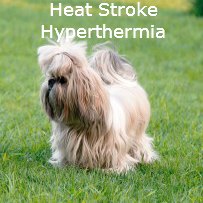
Risk Factors for Shih Tzu Heat Stroke
- Exposure to hot conditions
- The very young puppy or old senior
- Obesity
- Heart or lung problems
- Brachycephalic syndrome (Shih Tzu)
- Thick long coat (trim your Tzu’s hair short in the summer)
- Insufficient water intake
Causes
The Cause is extreme exposure to excessive heat and the signs may include:
- Panting
- Increased body temperature
- Red tongue
- Pale gums
- Rapid heart rate
- Depression or Weakness
- Dizziness
- Vomiting
- Diarrhea
- Seizures or tremors
- Shock
- Coma
- Death
This is a life-threatening emergency and first aid must be administered immediately.
What to Do If You Suspect Heat Stroke
Heat stroke is a veterinary emergency. If you believe your Shih Tzu may be overheating, move your dog to a cooler environment immediately and contact a veterinarian or emergency clinic right away.
While waiting for veterinary care, focus on reducing further heat exposure and keeping your dog calm. Avoid aggressive or rapid cooling methods unless directed by a veterinary professional.
When to Seek Emergency Veterinary Care
Seek immediate veterinary attention if your Shih Tzu shows any of the following signs:
- Heavy or labored panting
- Weakness, collapse, or unresponsiveness
- Vomiting or diarrhea
- Bright red, pale, or blue gums
- Seizures or tremors
Heat stroke can progress rapidly and should always be evaluated by a veterinarian.
Treatment at the Veterinary Hospital
At the veterinary hospital, treatment focuses on stabilizing your dog and preventing further complications. This may include monitoring vital signs, providing fluids, and supporting breathing as needed.
Depending on the severity of the heat exposure, your veterinarian may recommend additional care or short-term hospitalization to ensure your Shih Tzu recovers safely.
Recovery and follow-up care will vary based on how quickly treatment begins and how severely your dog was affected.
The Best Medicine is Prevention
Shih Tzu dogs are especially sensitive to heat due to their facial structure and coat. Preventing heat stroke focuses on avoiding high temperatures, limiting exertion in warm weather, and ensuring access to shade, ventilation, and fresh water.
In Hot Weather, Your Shih Tzu Should:
- Stay indoors in cool rooms (air conditioning or fans)
- Limit exercise
- Take walks early or late in the day when the air temperature is lower
- Have a Trimmed Hair Style
- Drink extra water
- Nibble on Ice cubes in the water bowl as a treat for some
- Splash in a kiddie pool with one or two inches of water keep some dogs cool
NEVER leave your dog in a hot car, even if the windows are partially opened.
The Good News! Shih Tzu Dogs are Extremely Smart
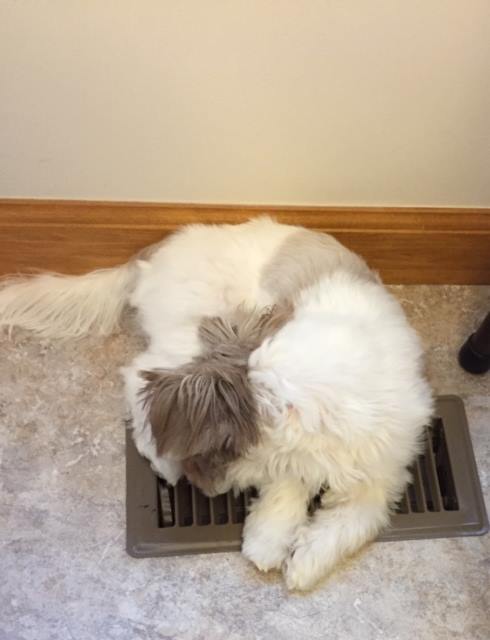 This is Mobie, a very smart Shih Tzu
If your dog is just hot after a romp in the back yard or a walk in the neighborhood, they know what they need to do to cool off. Some will head straight to the water bowl, but this clever Shih Tzu has learned where the coolest place in the house is located and goes straight there to cool off.
You might like these
Helpful Tips for Enjoying Walks with Your Dog Safely
Practical tips to help you enjoy walking your dog safely
Bee Stings in Dogs: First Aid All Dog Owners Should Know
Bee stings in dogs can be painful and potentially dangerous. Learn how to treat your dog using products already in your pantry.
Puppy Proofing Your Home
Before bringing home that new puppy, make sure to set aside time for puppy proofing your home.



"Hi, I'm Janice Jones, a former veterinary technician and Shih Tzu expert with over 40 years of experience with the breed. Through Miracle Shih Tzu, I combine my medical background and extensive breed knowledge to provide reliable, practical advice for Shih Tzu owners. My mission is to help you give your Shih Tzu the happiest, healthiest life possible through evidence-based information and real-world solutions. Whether you're new to the breed or a seasoned owner, you'll find trusted guidance here for all aspects of Shih Tzu care.
I hold an undergraduate degree in Psychology with a minor in biology, Early Childhood Education, and Nursing, and a Master's in Mental Health Counseling.
FTC Disclosure: If you purchase via a link on this site, I may receive a small commission on the transaction - at no added cost to you. Thank you!
Recent Articles


-
Foods Toxic to Dogs: What to Avoid and When to Call the Vet
Feb 05, 26 03:50 PM
 Some common foods can be dangerous or life-threatening for dogs. Learn which foods to avoid and when to seek veterinary help if ingestion occurs.
 -
Shih Tzu Heat Stroke: Signs, Risk Factors, and When to Call the Vet
Feb 05, 26 03:21 PM
 Heat stroke can be life-threatening for Shih Tzu dogs. Learn the warning signs, common risk factors, and when immediate veterinary care is needed.
 -
Shih Tzu Health: Your Guide to Common Issues in the Shih Tzu Breed
Feb 05, 26 02:59 PM
 This Shih Tzu health page covers all the problems that many dogs face as well as those common to this breed.



Tzu Tips: Monthly Free Newsletter
Find out about the free gift you will receive just for signing up for my newsletter.
Miracle Shih Tzu Highly Recommends


Or, Read How We Use NuVet Vitamins at Miracle Shih Tzu. All Puppies are Started on this Product. Find out why
Advertising
Miracle Shih Tzu is a participant in the Amazon Services LLC Associates Program, an affiliate advertising program designed to provide a means for sites to earn advertising fees by advertising and linking to amazon.com. This site receives a small commission from all affiliate links and third-party advertising.