Foods Toxic to Dogs
By Janice Jones |Published 05/13/2013 |Last updated 10-24-2026
Many foods that are safe for people can be harmful—or even life-threatening—for dogs. Some cause mild digestive upset, while others can damage the liver, kidneys, nervous system, or heart.
This page explains common foods toxic to dogs, why they’re dangerous, and what symptoms to watch for. If your dog may have eaten something on this list, contact your veterinarian or an emergency clinic right away.
If you are interested in learning which plants are toxic to your dog, visit our page on Plants Toxic to Dogs.
New products and formulations appear every year, which is why it’s important to check ingredient labels carefully and contact your veterinarian if you’re unsure whether a food is safe for your dog.

15 Foods Toxic to Dogs
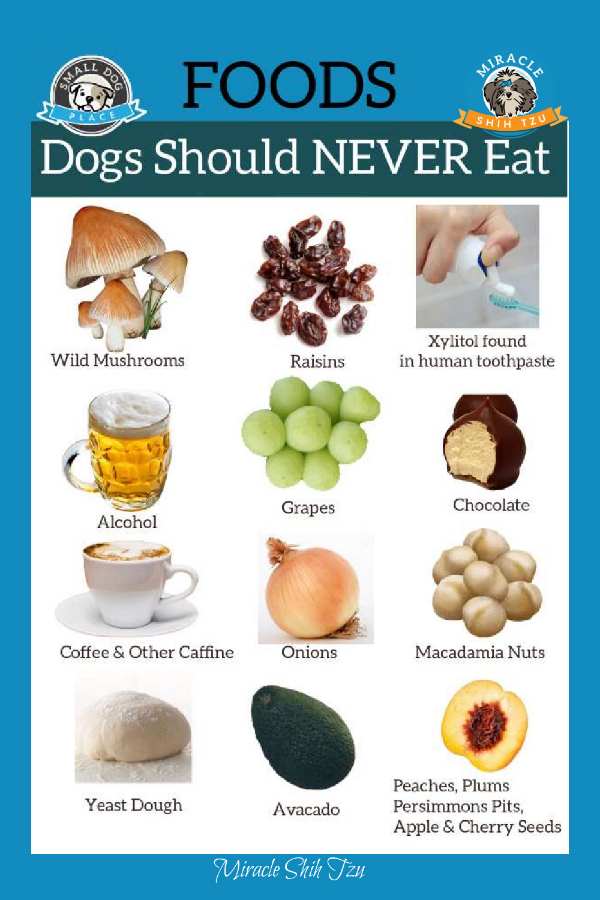
Avocados

Love that guacamole? Well, it doesn’t like dogs. Avocados often top the list of foods toxic to dogs.
Avocados contain persin, a fungicidal toxin which is normally harmless in a human but can be toxic to dogs. Persin is in the leaves, seeds, bark and fruit of the avocado plant so beware if you happen to have a few growing in your yard.
Alcohol
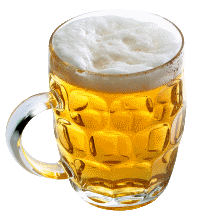
Maybe not the best choice of liquid hydration in people, it is also not good for dogs.
Alcohol, including beer, liquor, wine, and any foods made with alcohol, causes the same effect on a dog’s brain and liver as it does in humans, but the result is much faster, and the speed increases as the dog decreases.
Just small quantities can produce vomiting, diarrhea, depression, coordination problems, and even difficulty breathing, and coma. It might be cute, but it is deadly.
Onions
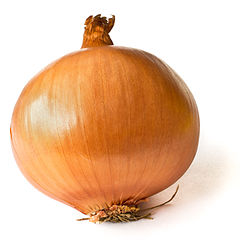
High up on the list of foods toxic to dogs is onions.
Onions are bad, no matter what form they take-raw, cooked, dehydrated or in a powder form – they all can destroy the red blood cells in a dog’s circulatory system, leading to Hemolytic anemia.
Even baby food has some onion powder, so beware. We really don’t have a good idea on the quantity that is bad, but the cumulative effect of eating onions is what is problematic.
It’s not likely to cause much trouble if eaten in tiny amounts occasionally, but if it is part of a regular diet, can poison the dog over time.
Anemia can cause weakness, vomiting, dull coat, anorexia and breathing difficulties. Kidney damage may follow.
Coffee, Tea, and Other Caffeine

Very few dogs like the taste of black coffee, but add some sweetener and flavoring, and your little guy might just like a sip or two.
Caffeine can cause serious poisoning in dogs, and severe cases may be life-threatening. Symptoms can include heart palpitations, fits, muscle tremors, restlessness, and even bleeding.
Caffeine can also be found in some medications and chocolate, another major No No for dogs.
Grapes and Raisins
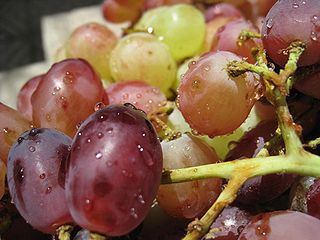
Grapes and raisins are two foods toxic to dogs, and currants can be added to this category as well. Both grapes and raisins can cause sudden kidney failure and may be life-threatening.
Vomiting, lethargy, loss of appetite, abdominal pain, coordination problems, decreased amount of urine production, and depression are symptoms. While symptoms usually occur within 24 hours, they can begin within a few hours after the dog ingests grapes or raisins.
Milk and Other Dairy Products
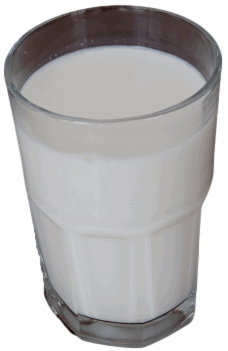
Who hasn’t been guilty of giving a dog a little taste of ice cream or other dairy products? Dogs do not tolerate cow’s milk as well as people, and anything made with milk, such as cheeses, yogurt, or plain milk, can have the potential to cause digestive upset, usually in the form of diarrhea.
If your dog is intolerant to cow’s milk, goat's milk is a good alternative, and products made with goat's milk seem to be tolerated better in dogs. Dogs on a complete and balanced commercial diet should not need additional calcium, except for lactating mothers.
Macadamia
Nuts
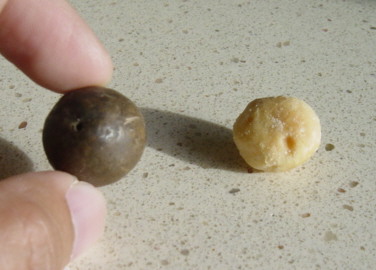
Another group of foods toxic to dogs is nuts. Dogs should not eat nuts, but macadamia nuts seem to be the worst culprit for making dogs ill. Macadamia nuts can cause severe neurologic and muscular symptoms and may require emergency veterinary care.
Even a few roasted or raw macadamia nuts can cause muscle tremors, weakness or paralysis, vomiting, fever and rapid heart rate. When chocolate is mixed with the nuts, the symptoms worsen. Symptoms often show up within 6 to 24 hours.
Other
Types of Nuts
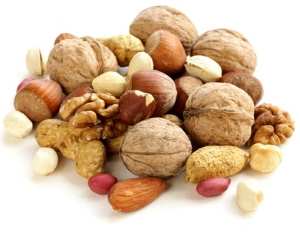
To be absolutely safe, Dogs should not be given nuts to eat. Nuts that should be added to the list of foods toxic to dogs include: Almonds, Pistachios, Pecans, Walnuts and Hickory Nuts. They vary in the harm they do to the dog.
Moldy nuts are toxic while the fresher version of the nut just makes your dog sick. Dogs seem to love the taste of almonds, but they are not well digested giving your dog and upset stomach.
Pistachios have a high fat content and can cause stomach upset as well. Dogs that eat pistachio nuts over a period of time can also develop pancreatitis.
Black Walnuts are known to cause stomach distress and even obstructions if swallowed whole. But if a dog gets a moldy black walnut, that’s another story.
Moldy black walnuts contain toxins produced by a fungus which leads to lethargy, vomiting and loss of muscle control. Like black walnuts, English and Japanese walnuts can cause intestinal upset resulting in a stomach ache, vomiting or even an obstruction.
Just like black walnuts, English and Japanese walnuts that contain a mold that releases a tremorgenic mycotoxin which the dog ingests causing muscle tremors or seizures.
Hickory nuts and pecans both follow the same patterns as walnuts. Fresh hickory nuts will cause a tummy ache while moldy nuts can be affected with the tremorgenic mycotoxin.
Chocolate
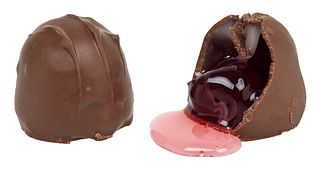
Most people know that chocolate is bad for dogs, but did you know that even white chocolate can cause symptoms, and dark chocolate and unsweetened baking chocolate are the most dangerous?
Chocolate can cause vomiting, diarrhea, increased thirst, tremors, seizures, abnormal heart rhythm, coma, and death.
Peaches, Plums and Persimmons, Apple Seeds, Cherry Pits
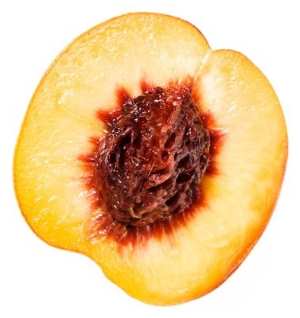
The problem is not so much with the fruit, but with the seeds or pits. Many small dogs will eat the pit which contains cyanide which is a known poison to both dogs and people. If that doesn’t hurt them, intestinal obstruction is a real possibility.
Persimmons, Peaches, and Plums Seeds or Pits. Don’t let a dog eat apple seeds or cherry pits as they can wreak havoc giving your dog an upset stomach and possible cyanide poisoning.
Dogs can eat apples and most love them as a very special treat, but don’t know not to eat the seeds. If you do serve these apples, core them as you would a small child.
Raw Eggs
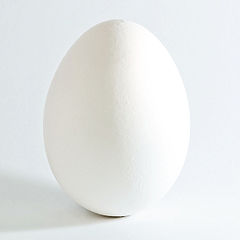
Dogs seem to love eggs, but cook them first if you intend to serve them. There are two problems with giving your dog raw eggs.
The first is the possibility of food poisoning from bacteria like Salmonella or E. coli which is why raw eggs makes the list of foods toxic to dogs.
The second is that an enzyme in raw eggs interferes with the absorption of a particular B vitamin. This can cause skin problems as well as problems with your dog's coat if raw eggs are fed for a long time.
Yeast Dough

If you make your own bread, be sure to allow the bread to rise in a place where the dog cannot reach it.
If a dog eats the dough as it is rising, it will continue to rise in his little stomach. You can just imagine what happens next -- as the dough rises, it stretches the stomach wall causing severe pain.
Beyond that, the yeast which makes the dough rise begins to ferment in the stomach which can lead to alcohol poisoning.
Xylitol
This odd sounding chemical is the sweetener often found in toothpastes, mouthwashes, some medicines and sugarless gum. You can also find it in many baked goods and that is why this common ingredient makes the list of foods toxic to dogs.
While being recommended for human diabetics, it is definitely not recommended for dogs. Xylitol causes a rapid rise in insulin levels which leads to hypoglycemia. Symptoms in dogs can range from vomiting, lethargy and poor coordination to seizers possibly leading to liver failure.
Wild
Mushrooms
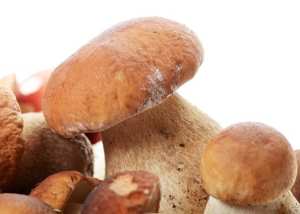
Wild mushrooms — those that grow in your backyard or along a trail can be dangerous not only to you but to your dog. People know not to sample them, but dogs can be curious.
Toxins in the mushroom can wreak havoc on many organs, including the liver, kidneys, and brain. Symptoms include vomiting, seizures, coma, and even death. So check your yard periodically and remove any mushroom-looking plants.
Because mushroom toxicity varies widely, ingestion should always be treated as a veterinary emergency.
Fat Trimmings and Cooked Bones
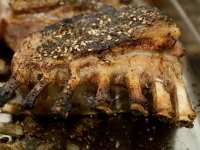
Dogs love fat and bones, but fat trimmings are not good for you and not good for your dog. Here I am referring to the cooked or uncooked fat trimmed from meat that humans did not want. Too much leads to pancreatitis.
Bones are different. Cooked bones are the most dangerous. They can break or splinter as the dog gnaws on them, causing the dog to choke, create lacerations in the digestive wall, or even experience obstructions. Fish bones are especially problematic.
Opinions vary on raw bones, and the risks depend on the individual dog, the bone type, and the preparation. Discuss feeding bones with your veterinarian before offering them.
Salt
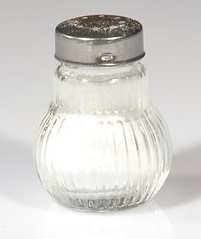
When dogs ingest large quantities of salt, it leads to excessive thirst and subsequent urination. This usually happens when a dog gets too many salty foods. If salt intake is sufficiently high, sodium ion poisoning occurs.
Symptoms include vomiting, diarrhea, depression, tremors, fever, seizures, and even death. Think twice about allowing your dog to help themselves to those salty treats. So when you sneak your tiny dog into the movie theater, don’t let them eat all your popcorn! Severe salt poisoning is uncommon but can occur when large amounts are consumed.
Human Vitamin Pills that Contain Iron
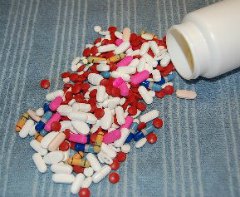
It is tempting to give our fur children the same medicine we give our human babies, but before you do so, make sure it is not toxic to dogs. Some human medicines are safe for dogs, but not all, and some can be very dangerous.
Iron-containing vitamins can damage the walls of the stomach and intestines and be toxic to the liver and kidneys.
What to Do If Your Dog Eats a Toxic Food
Prevention is easier than the cure and much less costly. Now that you are familiar with the foods toxic to dogs, you will be less likely to allow your small dog to come into contact with those dangerous substances. Things often happen very quickly.
What do you do if you suspect that your dog has consumed a substance or food likely to be toxic?
Keep the phone numbers of your veterinarian and a 24-hour emergency veterinary hospital handy, and make a call as soon as you discover what has happened.
ASPCA Animal Poison Control Center 888-426-4435
Pin for Future Reference
Janice Jones is a Shih Tzu specialist and former breeder with a background in veterinary care, grooming, training, and canine behavior. She has spent nearly 50 years working with the breed and ran a home-based breeding program for 15 years, raising well-socialized puppies. Early in her career, she worked as a veterinary assistant supporting surgery, x-rays, and lab work. She shares practical guidance at miracleshihtzu.com and across social platforms. Today, she enjoys the quiet companionship of her aging dogs, understanding them as they understand her.
 You guessed it, I'm not a trained dog walker.
FTC Disclosure: If you purchase via a link on this site, I may receive a small commission on the transaction at no additional cost to you. Thank you!
Janice Jones is a Shih Tzu specialist and former breeder with 50 years of experience and a background in veterinary care, grooming, and behavior.
Recent Articles


-
Foods Toxic to Dogs: What to Avoid and When to Call the Vet
Oct 24, 26 12:52 PM
 Some common foods can be dangerous or life-threatening for dogs. Learn which foods to avoid and when to seek veterinary help if ingestion occurs.
 -
Autumn Dog Names: 150+ Fall-Inspired Names for Your Puppy
Oct 23, 26 03:58 PM
 Discover 150+ autumn dog names inspired by fall colors, leaves, pumpkins, cozy vibes, and Halloween fun. Perfect names for puppies born in the fall season.
 -
Reverse Sneezing in Shih Tzus: Causes & What to Do
Oct 23, 26 03:43 PM
 Does your Shih Tzu make sudden snorting or honking sounds? Learn what causes reverse sneezing, how to help your dog, and when to call your vet.


Tzu Tips: Monthly Free Newsletter
Find out about the free gift you will receive just for signing up for my newsletter.
Miracle Shih Tzu Highly Recommends
Or, Read How We Use NuVet Vitamins at Miracle Shih Tzu. All Puppies are Started on this Product. Find out why
Advertising
Miracle Shih Tzu is a participant in the Amazon Services LLC Associates Program, an affiliate advertising program designed to provide a means for sites to earn advertising fees by advertising and linking to amazon.com. This site receives a small commission from all affiliate links and third-party advertising.